

Africa’s Role at the World Economic Forum Davos 2026
January 30, 2026
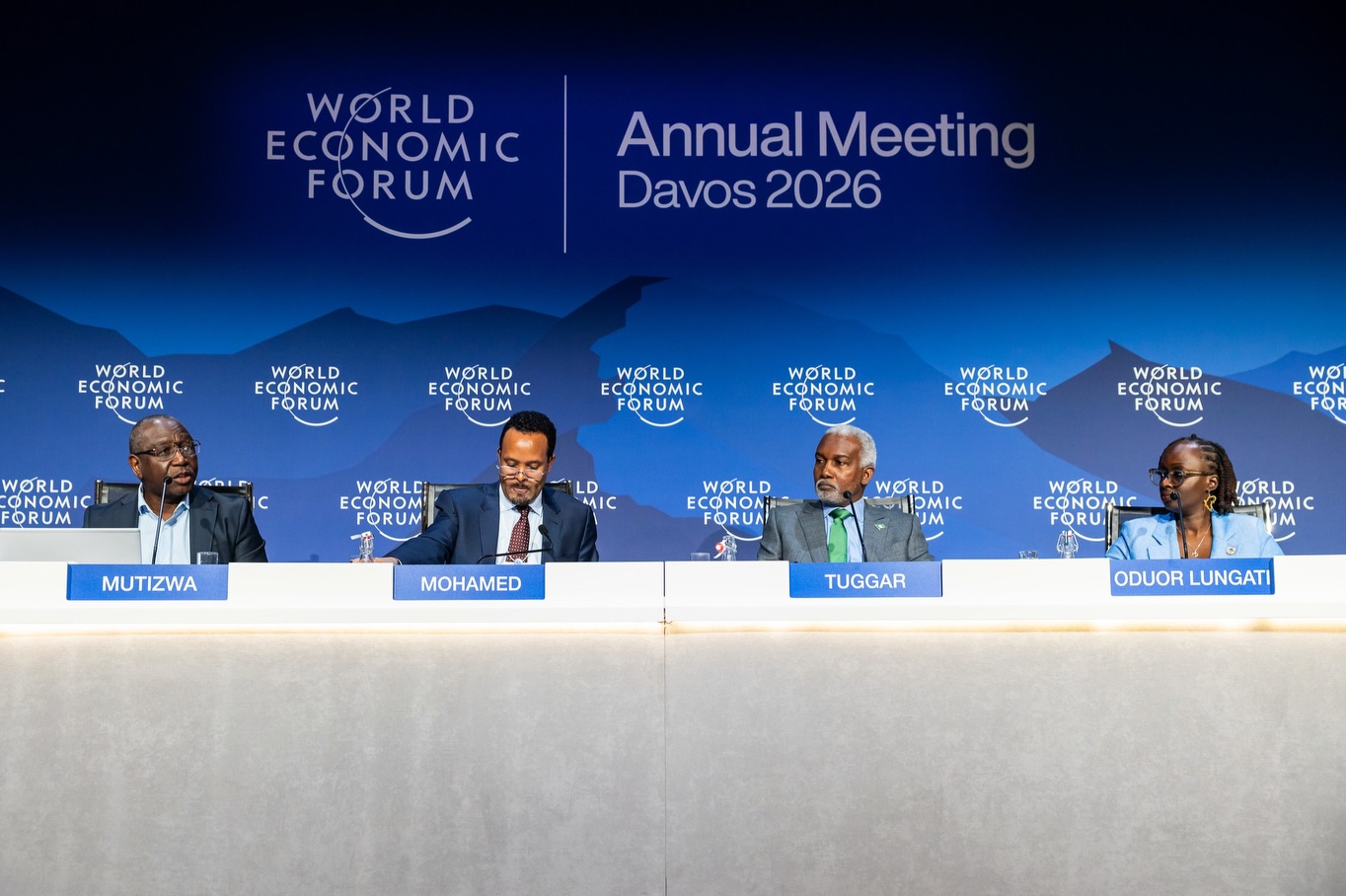
At the 56th Annual Meeting of the World Economic Forum in Davos in January 2026, African countries and leaders played a growing and more assertive role in shaping discussions around global economic policy, investment, innovation, and sustainable development. African voices at this year’s forum emphasized the continent’s demographic potential, economic opportunities, and need for new approaches to global financing that better match Africa’s development realities.
Africa’s Role at the World Economic Forum Davos 2026
At the 56th Annual Meeting of the World Economic Forum in Davos in January 2026, African countries and leaders played a growing and more assertive role in shaping discussions around global economic policy, investment, innovation, and sustainable development. African voices at this year’s forum emphasized the continent’s demographic potential, economic opportunities, and need for new approaches to global financing that better match Africa’s development realities.
A major theme was Africa’s young and expanding workforce, seen as a future driver of global growth. Leaders highlighted how the continent’s demographic trends could be transformed into inclusive development if investments in education, infrastructure, and industry are prioritized, with discussions stressing that preparation for the future global economy must include improved connectivity and energy systems.
African nations also brought forward economic policy agendas and reforms aimed at attracting investment. South Africa used its platform to showcase its structural reforms and progress in stabilizing key sectors such as energy and logistics, aiming to present itself as an attractive destination for global investors. Nigeria’s delegation emphasized home-grown solutions to development challenges, launching Nigeria House—its first sovereign pavilion on the Davos Promenade—as a permanent showcase for investment opportunities in agriculture, digital technology, and minerals. The Nigerian leadership also promoted agriculture as essential to national food security and economic stability.
Beyond individual country efforts, African representatives pushed for reimagined global finance. Prominent figures like former Nigerian President Olusegun Obasanjo called for new financial architecture and innovative financing that move beyond traditional aid models, a message echoed in high-level discussions about how current global financing mechanisms often fail to support long-term development.
Africa’s presence was not only political but also sectoral, with sessions on digital infrastructure, AI, and trade. Institutions like Afreximbank highlighted the importance of digital trade systems to make the African Continental Free Trade Area (AfCFTA) operational and inclusive, underscoring the need for cross-border digital infrastructure to boost intra-continental commerce.
Overall, at Davos 2026 Africa’s role was active and strategic: African leaders and institutions pushed for stronger global partnerships based on investment and innovation, advocated for financing reforms suited to African growth needs, and showcased the continent’s potential as an engine of future economic expansion.