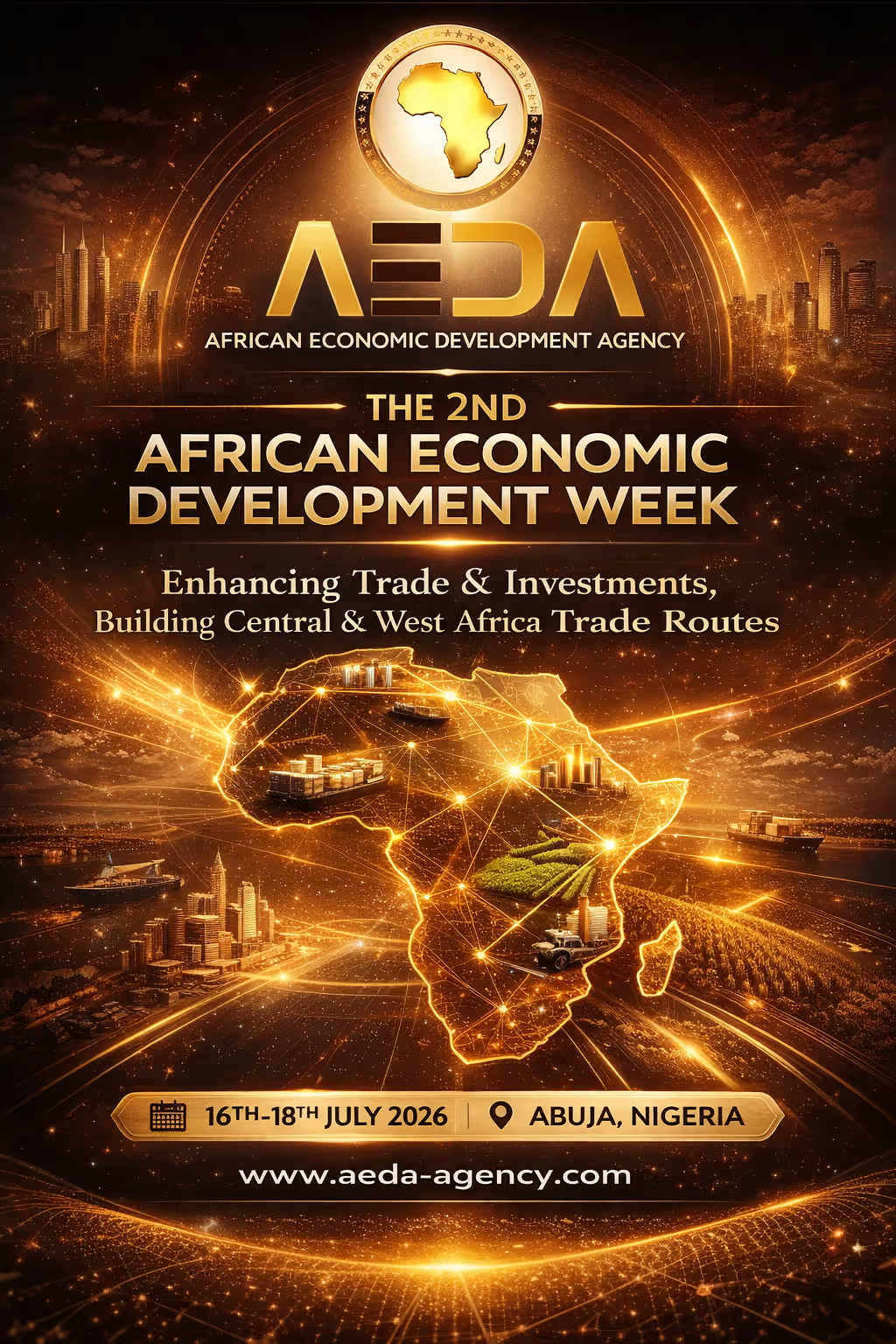


THE 2 ND AFRICA ECONOMIC DEVELOPMENT WEEK
January 30, 2026
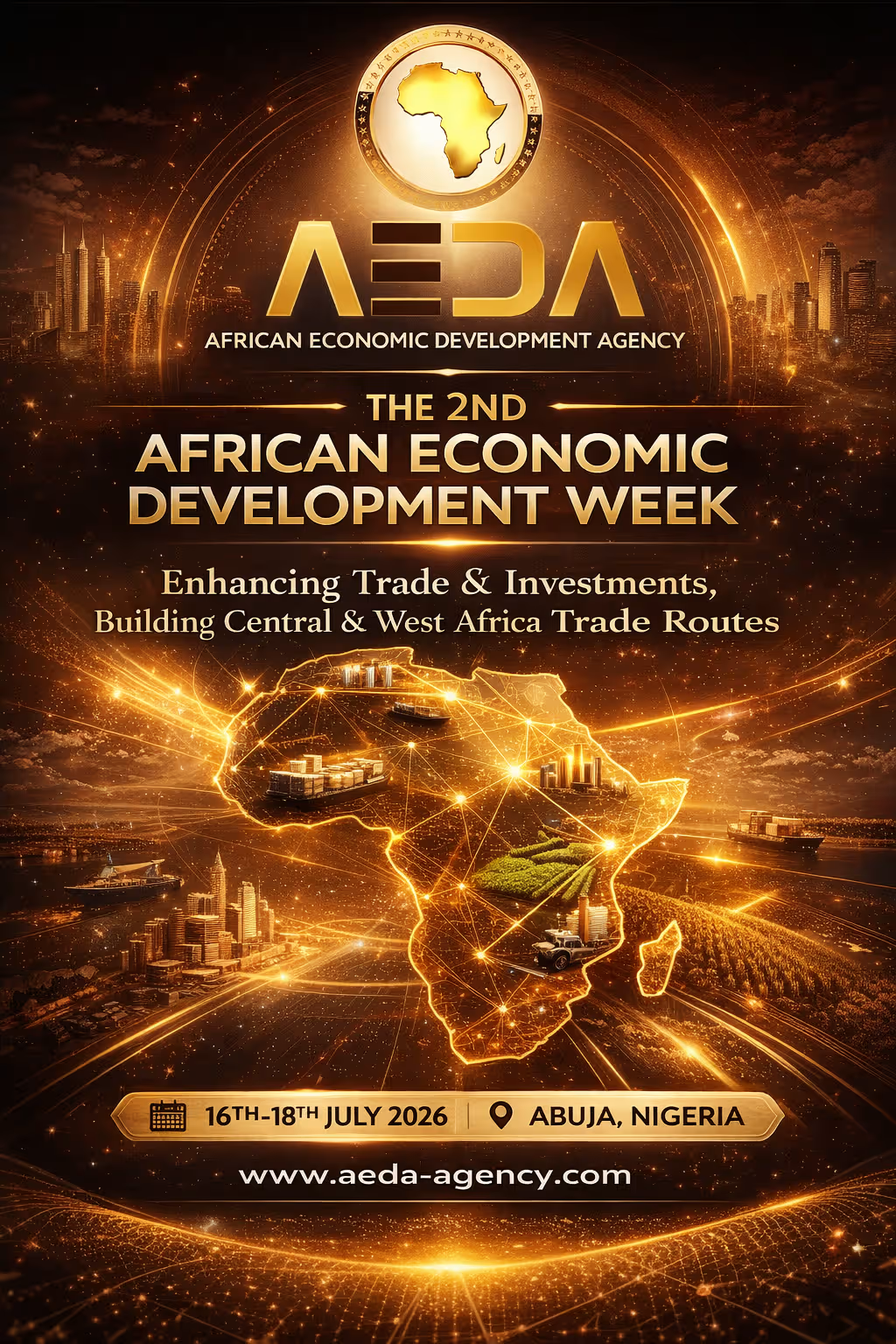
Africa stands at a pivotal moment in its development trajectory. With one of the fastest-growing populations in the world and abundant natural and human resources, the continent has immense potential for economic transformation. Yet for many African nations, this potential remains partially unrealized due to longstanding challenges in trade infrastructure, investment flows, and regional connectivity. The theme of the 2nd African Economic Development Week — Enhancing Trade & Investments, Building Central & West Africa Trade Routes — highlights how addressing these challenges can accelerate development across the continent.
GENERAL OVERVIEW
Trade and Development in Africa: Pathways to Connectivity and Prosperity
Africa stands at a pivotal moment in its development trajectory. With one of the fastest-growing populations in the world and abundant natural and human resources, the continent has immense potential for economic transformation. Yet for many African nations, this potential remains partially unrealized due to longstanding challenges in trade infrastructure, investment flows, and regional connectivity. The theme of the 2nd African Economic Development Week — Enhancing Trade & Investments, Building Central & West Africa Trade Routes — highlights how addressing these challenges can accelerate development across the continent.
Trade remains a vital engine for economic growth in Africa. Intra-African trade has historically been low compared with other regions, partly because of fragmented markets, high transport costs, and limited cross-border infrastructure. However, recent progress offers cause for optimism. The launch of the African Continental Free Trade Area (AfCFTA)has begun to reduce tariff barriers and expand market access across African states, creating a unified economic space of over 1.3 billion people. By supporting regional value chains, the AfCFTA can help African producers move from exporting raw materials to manufacturing higher-value goods, stimulating jobs and innovation.
Investment is another critical lever for development. Foreign direct investment (FDI) remains concentrated in extractive industries, but there is growing interest in sectors such as renewable energy, information technology, and manufacturing. To attract and retain sustained investment, African economies must strengthen governance, ease regulatory bottlenecks, and build trust with both international and local investors. Public-private partnerships are increasingly seen as key to financing major infrastructure projects that governments cannot fund alone.
Central and West Africa, in particular, present unique opportunities and challenges. These regions are rich in resources and cultural diversity, yet many countries struggle with inadequate road networks, poor rail systems, and limited port capacity. Investing in trade corridors and logistics hubs — including better roads, bridges, and border facilities — would significantly reduce costs and time for moving goods across borders. In doing so, it would not only boost regional commerce but also encourage economic diversification and resilience.
Ultimately, enhancing trade and investment while building efficient trade routes is more than a development strategy — it is a foundation for sustainable growth and shared prosperity across Africa. By strengthening regional integration and connectivity, African nations can unlock new opportunities for businesses, workers, and communities across the continent.
HIGHLIGHTS OF THIS EDITION.
Ministerial Panel
AEDA-W50 Roundtable Discussion
Youth Entrepreneurship Forum
Trade & Investment Forum
The AEDA Prize: Celebrating and Honoring Actors in Economic Development
Private Sector Engagement Dialogue